
Motorcycling transcends mere transportation—it embodies a lifestyle shaped by freedom, adventure, and the intimate connection between rider, machine, and road. Whether you’re navigating congested urban streets during the week or carving through mountain passes on weekends, the motorcycle offers a unique lens through which to experience travel. This intersection of motorcycling with travel and lifestyle encompasses far more than simply riding from point A to point B; it involves strategic planning, physical and mental preparation, gear optimization, and understanding the nuances of different riding environments.
From selecting the right motorcycle for your intended use to mastering the art of multi-day touring, from maintaining peak mental performance during long rides to navigating the complexities of electric motorcycle charging infrastructure, the modern motorcycle traveler faces a rich tapestry of considerations. This comprehensive resource explores the fundamental aspects that define motorcycle travel and lifestyle, providing you with the knowledge to make informed decisions and embrace two-wheeled adventures with confidence.
The foundation of any motorcycle lifestyle begins with selecting the right machine for your intended purpose. This decision significantly impacts your comfort, capability, and enjoyment across diverse riding scenarios.
Naked motorcycles—characterized by their minimalist bodywork and upright riding position—offer exceptional maneuverability in congested urban environments while retaining enough performance for spirited weekend rides. Their lightweight nature and responsive handling make them ideal for filtering through traffic, navigating tight city streets, and finding parking in crowded areas. However, riders must understand the tradeoff: the lack of wind protection becomes increasingly noticeable above highway speeds, particularly on longer journeys. Wind fatigue can accumulate over extended rides, making supplementary windscreen options worth considering for riders who frequently venture beyond city limits.
When longer distances enter the equation, the choice typically narrows to two distinct philosophies. Sport tourers prioritize road-focused performance with integrated luggage systems, aerodynamic fairings, and ergonomics designed for covering significant mileage on paved surfaces. They excel on highways and sweeping canyon roads where comfort and cornering capability matter equally.
Adventure bikes, conversely, embrace versatility. Their taller stance provides excellent visibility in traffic, generous fuel tanks extend range, and robust suspension systems handle both paved roads and unpaved detours. The upright seating position reduces lower back strain during all-day rides, though the added height and weight can feel cumbersome in tight urban scenarios. Your choice should reflect honest assessment of your riding environment—if 90% of your miles happen on pavement, a sport tourer typically delivers superior comfort and performance despite an adventure bike’s theoretical versatility.
Strategic route planning transforms ordinary rides into memorable journeys while avoiding common frustrations that can diminish the motorcycle travel experience.
Many metropolitan areas now implement congestion pricing zones, low-emission zones, or time-based vehicle restrictions. Before entering unfamiliar cities, research local regulations—some cities exempt motorcycles from congestion charges, while others enforce strict emissions standards that older motorcycles may not meet. Multimodal navigation apps increasingly incorporate these restrictions, automatically routing around prohibited areas or alerting you to required permits. Bookmark local motorcycle forums or rider groups, as they often maintain updated information about enforcement patterns and alternative routes that official sources may overlook.
Forward-thinking riders increasingly embrace multimodal transportation, recognizing that mixing motorcycles with trains, ferries, or other transport modes unlocks unique travel possibilities. This approach allows you to skip monotonous highway sections via rail while reserving your riding energy for scenic mountain passes or coastal roads. Many European and Asian rail networks accommodate motorcycles with advance booking, though requirements vary significantly—some require specialized packaging, others designate specific bike-friendly carriages, and peak-hour restrictions often apply. This strategy proves particularly valuable for one-way trips or when returning from distant destinations where fatigue might compromise safety.
Multi-day motorcycle adventures require careful planning across logistics, budget, and physical preparation to ensure sustainable enjoyment rather than exhausting endurance tests.
New touring riders frequently overestimate their comfortable daily range, plotting aggressive 500+ mile days that transform pleasure into punishment. A sustainable pace typically ranges from 200 to 300 miles daily when balancing riding with genuine destination exploration, meal breaks, and rest stops. This moderate approach preserves mental sharpness and physical comfort while leaving flexibility for spontaneous detours when you discover an intriguing side road or local recommendation. Building buffer time into your itinerary accommodates weather delays, mechanical issues, or simply those perfect moments when you want to linger rather than chase arbitrary mileage targets.
The romanticism of completely unplanned touring often collides with the reality of sold-out accommodations during peak seasons or remote areas with limited options. A balanced approach involves identifying general destination regions rather than rigid nightly stops, then booking accommodation 24-48 hours ahead as your trip unfolds. This preserves spontaneity while ensuring availability. Motorcycle-specific accommodation directories highlight rider-friendly establishments offering secure parking, gear drying facilities, and early check-in options that standard hotels may not provide.
When traveling two-up, packing discipline becomes critical as limited luggage capacity forces ruthless prioritization. Roll clothing instead of folding to maximize space, select quick-dry fabrics that can be washed in hotel sinks, and coordinate with your passenger to avoid duplicate items like toiletries or chargers. The overnight challenge of drying wet riding gear in hotel rooms requires creative solutions: stuff boots with crumpled newspaper to absorb moisture, drape jackets over chairs positioned near heating vents, and use provided towels to wick water from gloves before air-drying. Waterproof compression bags protect clean clothes from damp gear while reducing overall volume.
Realistic budget planning accounts for obvious expenses like fuel, accommodation, and meals, but experienced tourers also allocate contingency funds for unexpected costs. Tire wear accelerates during loaded touring, potentially requiring mid-trip replacement. Cross-border travel may incur toll road fees, temporary insurance extensions, or currency exchange losses. A practical budget model reserves approximately 20% beyond calculated expenses for these uncertainties, preventing financial stress from derailing your journey when the unexpected inevitably occurs.
Physical endurance matters less than mental acuity for motorcycle safety. Extended riding demands active strategies to maintain the concentration that keeps you secure.
Dehydration degrades cognitive function before you experience thirst, making proactive fluid intake essential rather than optional. Even mild dehydration—a mere 2% reduction in body water—measurably slows reaction times and impairs decision-making. Carry a hydration system that allows drinking without stopping, and establish a routine of consuming 6-8 ounces every hour regardless of perceived thirst. Electrolyte supplements become important during hot weather or physically demanding riding, as water alone doesn’t replace minerals lost through perspiration trapped inside riding gear.
Highway hypnosis—that dangerous trance-like state during monotonous riding—represents one of touring’s most insidious hazards. The brain’s efficiency creates the problem: familiar, repetitive tasks require less conscious attention, allowing your mind to wander while your body maintains basic control. Combat this by deliberately varying your routine: periodically check mirrors in a different sequence, consciously note road surface changes, or mentally narrate upcoming hazards. Physical engagement helps too—subtle weight shifts, gentle handlebar pressure variations, or controlled breathing exercises maintain the mind-body connection that monotonous straight roads gradually erode.
Effective rest stops involve more than simply pausing by the roadside. Every 90-120 minutes, seek stopping points that permit full removal of helmet and gloves, allowing your body to reset. Brief walks restore circulation to legs cramped by sustained riding position, while simple stretching relieves shoulder and neck tension. These breaks paradoxically save time—the mental refreshment and physical relief they provide maintain higher quality concentration during riding segments, reducing the cumulative fatigue that forces longer, more frequent stops later in the day.
Closed-circuit riding offers controlled environments to explore your motorcycle’s capabilities while developing skills that enhance street safety, though the transition requires understanding track-specific requirements and etiquette.
Track days reveal the substantial gap between legal street speeds and actual motorcycle performance limits. This controlled setting allows progressive skill development without traffic, intersections, or unpredictable hazards. Beginners typically start in novice or beginner groups with classroom instruction covering track layout, flag meanings, and fundamental techniques. The absence of street-riding concerns—oncoming traffic, gravel, pedestrians—allows complete focus on throttle control, body positioning, and vision techniques that subsequently improve street riding smoothness and confidence.
Track environments operate on strict conventions that differ markedly from street riding. Most organizations prohibit passing in corners for novice groups, restricting overtakes to designated straightaway sections. Riders being overtaken maintain their line rather than moving aside, as sudden position changes create collision risks. Point-by systems—where slower riders signal faster traffic to pass on a specific side—reduce ambiguity. Understanding these unwritten rules before arriving prevents dangerous misunderstandings and ensures you’re welcomed back for future events.
Standard motorcycle insurance explicitly excludes track day coverage, leaving you financially exposed for both motorcycle damage and potential medical expenses. Specialized track day insurance policies fill this gap, though availability and cost vary significantly by region and motorcycle value. Transportation presents another consideration—riding to the track means depending on your motorcycle’s mechanical perfection for the return journey, whereas trailering provides a backup plan if mechanical issues arise during spirited track sessions. Many regular track participants invest in used cargo vans or small trailers as their track commitment grows beyond occasional experimentation.
Electric motorcycles introduce fundamentally different planning requirements compared to conventional fuel-powered machines, transforming range anxiety into strategic route consideration.
Unlike petrol stations found every few miles, electric motorcycle charging infrastructure remains sparse in many regions, requiring deliberate route planning around verified charger locations. Specialized apps display charging station networks, though rider-generated data often proves more reliable than official databases that may list non-functional or inaccessible locations. Range calculations must account for riding style, elevation changes, and temperature—aggressive throttle application, mountain climbs, and cold weather all significantly reduce practical range compared to manufacturer optimistic estimates.
Public charging stations increasingly see conflicts between electric motorcycle riders and automobile drivers unfamiliar with sharing infrastructure. Unwritten etiquette suggests moving your motorcycle promptly once charging completes rather than occupying spaces beyond necessity. When booking accommodation, proactively contact hotels to confirm electrical outlet access near parking areas—standard room outlets rarely reach parking lots, and assumptions about charging availability create unnecessary complications upon arrival. Some progressive hotels now advertise dedicated motorcycle charging facilities, recognizing the growing electric rider demographic.
Even traditional motorcycles face fueling challenges during remote touring. Smaller fuel tanks on sport bikes may provide insufficient range between stations in sparsely populated regions. Carrying supplemental fuel in approved containers extends range but adds weight and requires secure mounting. Research your planned route’s fuel station spacing, noting that rural stations may close evenings and weekends. Conservative planning assumes you’ll need refueling at 70% of your theoretical tank range, providing safety margin for extended searching or closed facilities.
Motorcycle travel and lifestyle encompasses this rich interplay of machine selection, route strategy, physical preparation, and logistical planning. Each element builds upon others—choosing the right motorcycle enables the touring ambitions you envision, while understanding your mental and physical limits informs realistic daily planning. Whether you’re drawn to urban exploration, multi-day touring adventures, performance track riding, or pioneering electric motorcycle travel, success stems from thoughtful preparation balanced with flexibility to embrace the unexpected discoveries that define memorable motorcycle journeys.
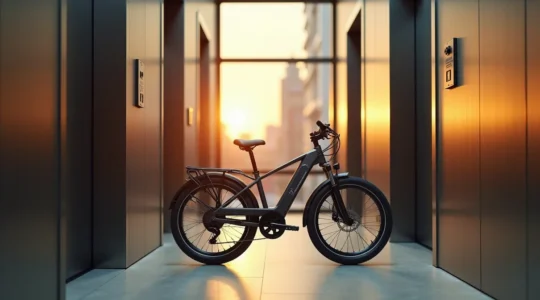
The best vehicle for apartment life isn’t about top speed, but the ease of moving it from the street to your closet. Folding e-bikes excel in multi-modal travel and indoor charging convenience thanks to removable batteries. Compact motorcycles offer better…
Read more
The confusion around electric motorcycle charging isn’t about memorizing an alphabet soup of plug types like J1772 or CCS. It’s about understanding the “conversation” happening between your bike and the charging station. This guide decodes that technical handshake, explaining why…
Read more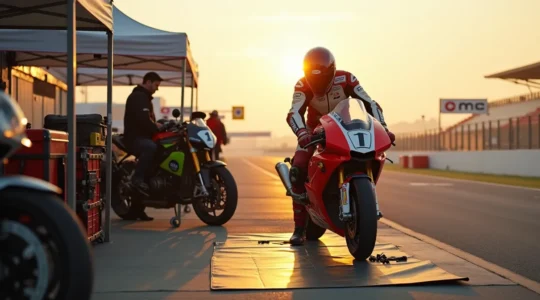
The key to a successful first track day isn’t being the fastest, but the best prepared—mentally and physically. Focus on being a predictable rider, not a competitive one. Manage your personal energy (hydration, focus) as carefully as your bike’s fuel….
Read more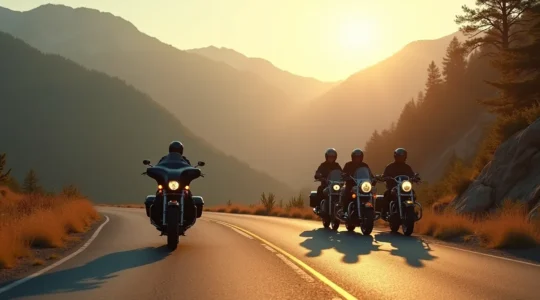
The real question isn’t whether to ride solo or with a group, but how well you manage your own internal psychology under pressure. Group riding tests your ‘friction threshold’ and social battery, demanding compromise and collaborative energy. Solo riding challenges…
Read more
The most dangerous mistakes on a long ride aren’t caused by a lack of physical endurance, but by a depleted ‘cognitive budget’. Mental fatigue is a predictable decline in brain function, not a random failure of willpower. Proactive strategies like…
Read more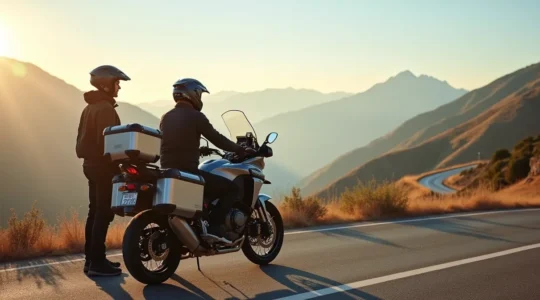
In summary: Adding a passenger and luggage dramatically alters your bike’s geometry; the key is to restore it using preload adjustments. Your primary goal is to set the correct “rider sag” (usually 30-40mm for touring) to maintain predictable steering and…
Read more
The right choice for a mixed commute isn’t the bike itself, but adopting a modular mindset to adapt your machine for any ride. A naked bike’s urban agility can be paired with quick-release accessories for highway comfort, eliminating the need…
Read more