
Every motorcycle is a carefully orchestrated symphony of mechanical systems, each component playing a distinct role in delivering the performance, safety, and reliability riders depend on. From the thundering powertrain to the silent precision of bearings and bushings, understanding these parts transforms you from a passive owner into an informed custodian of your machine.
Whether you’re diagnosing an unusual noise, planning your first major service, or considering performance upgrades, knowing how components interact—and why they fail—empowers better decisions. This comprehensive exploration covers the essential systems that keep your motorcycle running smoothly, the critical choices between original and aftermarket parts, and the maintenance practices that extend component life and preserve riding enjoyment.
The powertrain represents the beating heart of any motorcycle, converting fuel or electricity into forward motion through an intricate dance of synchronized components. Think of it as a relay race where energy passes from one runner to the next—engine to clutch, clutch to transmission, transmission to drive chain or shaft, each handoff critical to overall performance.
Modern motorcycle engines operate within remarkably tight tolerances, with pistons accelerating and decelerating thousands of times per minute. The transmission multiplies this rotational energy through carefully selected gear ratios, allowing you to match engine power to road conditions. When transmission clunks appear during shifts, they often signal clutch basket wear, mis-adjusted cables, or degraded transmission oil—not necessarily catastrophic failure. Regular oil changes using manufacturer-specified grades maintain the lubrication film that prevents metal-to-metal contact.
Your clutch functions as a sophisticated coupling device, using friction plates to smoothly engage and disenerate power transfer. Unlike automotive clutches that operate in dry environments, most motorcycle clutches run in oil, which simultaneously cools and lubricates. This wet environment means clutch plates gradually wear, becoming thinner and less effective. Symptoms like slipping under hard acceleration or difficulty finding neutral indicate replacement time—typically every 30,000 to 50,000 miles for street riders, considerably less for aggressive sport riding.
The humble drive chain endures immense forces, stretching and wearing as it transfers hundreds of foot-pounds of torque to your rear wheel. Proper maintenance involves a three-part ritual: cleaning to remove abrasive dirt, lubricating to prevent rust and reduce friction, and adjusting to maintain proper tension. A chain allowed to run too tight wears sprockets and stresses transmission bearings; too loose, and it can derail or damage the swingarm. Most chains require replacement between 15,000 and 25,000 miles, with sprockets changed simultaneously to ensure proper engagement.
Tires represent the only contact points between your motorcycle and the pavement—two palm-sized patches of rubber bearing responsibility for acceleration, braking, and cornering grip. Their condition directly influences safety, handling precision, and fuel efficiency.
Street-ridden superbikes demand a delicate balance between grip and longevity. Pure sport tires use softer compounds offering exceptional cornering traction but wear quickly, sometimes lasting only 3,000 to 5,000 miles. Sport-touring compounds sacrifice some ultimate grip for doubled or tripled lifespan. Consider your typical riding: daily commuters benefit from harder compounds and deeper tread depths, while weekend canyon carvers prioritize grip over longevity. Tire pressure adjustments fine-tune this balance—reducing pressure by 2-3 psi softens the ride and increases contact patch size, helpful for technical riding but detrimental to highway stability.
Tire monitoring goes beyond simply checking tread depth. Wear bars—small raised bridges in the tread grooves—indicate legal minimum depth, but waiting until they appear compromises wet-weather safety. Rain performance deteriorates significantly below 3mm of remaining tread. Equally important is understanding age versus wear: tire rubber hardens over time regardless of mileage, with most manufacturers recommending replacement after five to seven years. Check the DOT code on your sidewall—the final four digits indicate week and year of manufacture.
Squaring off, where the tire’s center wears flat from highway riding, reduces cornering stability and creates an unnerving “drop in” sensation when leaning. Addressing this requires either rotating riding style to include more varied roads or selecting tire profiles designed for your typical use.
Modern braking systems convert kinetic energy into heat with remarkable efficiency, using friction between pads and rotors to scrub off speed. Managing this heat, along with the consumable components that create it, determines both performance consistency and long-term reliability.
Brake pads come in three primary compound families: organic (softer, quieter, less rotor wear), sintered metallic (harder, better heat resistance, longer life), and semi-metallic (balanced compromise). Each responds differently to temperature—organic pads offer excellent cold bite but fade under sustained hard braking, while sintered compounds require heat to achieve peak friction. Sport riders upgrading braking systems for high heat situations typically choose sintered pads, accepting increased rotor wear as the price for consistent performance.
New pads require proper bedding—a break-in process that transfers a thin layer of pad material onto the rotor surface, creating the actual friction interface. Without correct bedding, pads may glaze, causing reduced power and persistent squeal. The process involves repeated moderate stops from highway speeds, allowing cooling between applications, avoiding complete stops that create uneven deposits.
Brake fade symptoms—spongy lever feel, reduced stopping power, burning smell—indicate either boiling brake fluid or overheated pads reaching their thermal limits. Addressing fade requires upgraded pads with higher temperature resistance, fresh high-performance brake fluid with elevated boiling points, or improved cooling through ventilated components. Replacing pads unevenly worn across their surface often reveals sticking caliper pistons or contaminated friction material requiring complete system service.
Your motorcycle’s chassis components—wheels, suspension, frame, and steering head—work together to maintain tire contact with pavement regardless of surface irregularities. This system must balance contradictory demands: compliant enough to absorb impacts, yet rigid enough to provide precise handling feedback.
Cast aluminum wheels dominate modern motorcycles for good reason: they’re lightweight, require no tube, and offer excellent strength-to-weight ratios. Spoked wheels, traditional on adventure and classic bikes, can be converted to tubeless using sealed rim strips, combining classic aesthetics with modern convenience. However, balancing heavy custom wheels presents challenges, as additional weight amplifies any imbalance, creating vibration that accelerates bearing wear.
Magnesium wheels, prized by racers for featherweight construction, demand meticulous maintenance—they corrode readily and can crack under impacts that merely dent aluminum. Understanding powder coating risks matters when refinishing wheels: excessive heat during the coating process can alter aluminum temper, reducing strength. Protecting rims from impact damage during tire changes requires proper technique and equipment; a single careless tire iron stroke can bend a rim beyond safe repair.
Suspension doesn’t simply soak up bumps—it manages weight transfer during acceleration and braking, maintains tire contact through corners, and filters road imperfections before they reach the rider. Adjustments to preload, compression damping, and rebound damping allow fine-tuning for rider weight, passenger load, and riding style. Too soft, and the bike wallows through corners, bottoms over bumps, and exhibits vague handling. Too firm, and every pavement imperfection transmits directly to chassis and rider, reducing both comfort and available grip as tires skip over irregularities.
The choice between original equipment manufacturer (OEM) parts and aftermarket alternatives involves balancing cost, quality, availability, and intended use. Neither option universally surpasses the other—context determines the best selection.
OEM components offer guaranteed fitment and performance matching original specifications. They undergo extensive testing during motorcycle development, ensuring compatibility with surrounding systems. This assurance comes at a premium price, sometimes two to three times aftermarket equivalent costs. For critical safety items—brake components, steering parts, suspension pieces—OEM quality provides peace of mind worth the investment.
However, sourcing discontinued OEM parts for older motorcycles presents genuine challenges. Manufacturers typically support models for 7-10 years after production ends, after which parts availability becomes sporadic. This forces owners toward aftermarket suppliers, salvage yards, or fabrication solutions.
The aftermarket spans from premium manufacturers exceeding OEM specifications to questionable operations producing dangerous counterfeits. Identifying counterfeit OEM parts online requires vigilance: suspiciously low prices, vague seller locations, missing packaging details, and absent security holograms all signal potential fakes. Counterfeit brake pads and rotors represent serious safety hazards, manufactured from inferior materials unable to handle thermal and mechanical stresses.
Quality aftermarket suppliers often specialize in specific component categories, developing genuine expertise. Performance brake pad manufacturers, for instance, formulate compounds specifically for demanding applications, sometimes surpassing OEM specifications. Similarly, aftermarket fairings range from precision fiberglass replicas rivaling factory fit to crude approximations requiring extensive modification. Research, reviews, and community feedback guide these decisions more reliably than price alone.
Modern motorcycles increasingly rely on electrical systems for essential functions beyond simple lighting—fuel injection, ABS, traction control, and instrumentation all depend on clean, stable power and reliable wiring.
LED technology has revolutionized motorcycle lighting, offering dramatically improved visibility while consuming less power and generating less heat than traditional incandescent bulbs. However, LED upgrades introduce complications: their low current draw confuses factory turn signal flashers, causing hyperflash—rapid blinking indicating a burned-out bulb. Correcting this requires load resistors or electronic flasher relays designed for LED current levels.
Wiring daytime running lights (DRL) involves tapping into switched power sources and often requires reducing voltage to prevent LED burnout. Managing heat in LED units, despite their efficiency, remains important—confined housings trap heat that degrades LED lifespan. Proper headlight beam alignment becomes critical after LED or HID conversions, as these technologies produce more concentrated light capable of blinding oncoming traffic when aimed incorrectly.
Motorcycle bodywork serves dual purposes: aerodynamic efficiency and aesthetic appeal. Protecting custom matte finishes requires different approaches than glossy paint—traditional waxes create unwanted shine, necessitating specialized matte detailers. Deep scratches in fairings can be repaired through careful sanding, filling, and refinishing, though color-matching metallic and pearl paints challenges even experienced painters.
Preparing fairings for paint demands meticulous surface preparation: removing old adhesives without damaging underlying plastic, thoroughly degreasing, applying appropriate primer for plastic substrates, and maintaining dust-free conditions during application. The choice between fitting OEM fairings versus fiberglass replicas often comes down to budget and intended use—show bikes and daily riders benefit from OEM precision, while track bikes accept replica compromises.
Reliable motorcycles aren’t built—they’re maintained. Systematic inspection catches developing problems while they’re still minor inconveniences rather than roadside emergencies or safety hazards.
A comprehensive pre-ride inspection takes under five minutes but prevents most common failures. Checking fluid levels accurately requires the motorcycle on level ground, engine at operating temperature for oil, and proper positioning (upright versus on sidestand) per manufacturer specifications. Control cable inspection looks for fraying, proper routing without sharp bends, and adequate free play—clutch and throttle cables stretched or kinked create control difficulties.
Testing lighting systems before each ride ensures visibility and legal compliance. Verifying fastener torque, particularly on safety-critical components like axle pinch bolts, brake caliper mounts, and handlebar clamps, prevents catastrophic failures from vibration-loosened hardware. A torque wrench removes guesswork—under-torqued fasteners loosen, over-torqued ones strip threads or stretch beyond elastic limits.
Experienced mechanics diagnose by smell and sound before touching tools. A sweet smell indicates coolant leaks, acrid odors suggest electrical problems, fuel smell points to carburetor or injector issues. Listening for engine noises reveals mechanical conditions: valve train clatter may indicate adjustment needs, bottom-end knocking suggests bearing problems, and transmission whine points to gear wear. Learning these sensory diagnostics catches problems early, when repair costs and complexity remain manageable.
Checking steering head bearings after impacts involves gently rocking the front end with brakes applied, feeling for notchy movement or play. Frame damage after crashes often hides beneath bodywork—careful inspection for paint cracking, misaligned mounting points, and wrinkled tubes reveals structural compromise invisible at casual glance.
Electric motorcycles introduce different maintenance priorities. Battery state of health (SOH) indicates remaining capacity compared to new condition, degrading gradually through charge cycles and calendar time. Unlike gas bikes requiring frequent service, electrics need minimal maintenance—no oil changes, valve adjustments, or air filters. Instead, focus shifts to battery conditioning, electrical connection integrity, and cooling system maintenance. Installing home chargers requires consideration of electrical service capacity, proper circuit protection, and weatherproofing for outdoor installations.
Understanding motorcycle parts and components transforms ownership from dependency to partnership. Every component serves a purpose, follows a lifecycle, and eventually requires attention. By recognizing symptoms early, making informed parts selections, and maintaining systematic inspection habits, you maximize both safety and enjoyment while minimizing unexpected failures and expenses. The knowledge you build through hands-on familiarity with your motorcycle’s systems pays dividends every ride, every mile, every year of ownership.
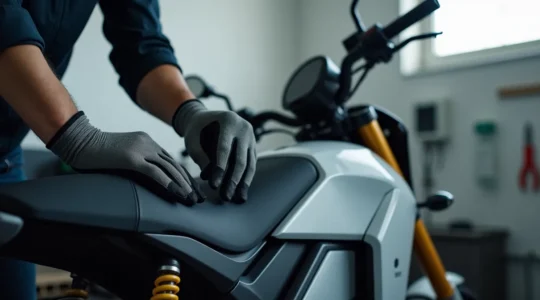
The anxiety over degrading your expensive electric motorcycle battery is valid, but the solution goes far beyond generic advice. True longevity doesn’t come from just following the “20-80%” rule, but from understanding the engineering principles behind it. This guide treats…
Read more
Achieving a truly professional headlight upgrade is less about the parts you buy and more about mastering the fabrication process. Optical precision is non-negotiable, achieved through a meticulous 25-foot wall alignment test that accounts for rider weight. Component integrity relies…
Read more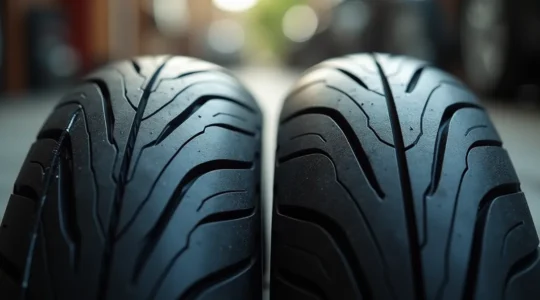
The sticker price of a hypersport tire is just the beginning; its true cost is measured in heat cycles and chemical age, not just miles on the road. Heat cycles, not tread wear, chemically degrade a race-compound tire’s grip, often…
Read more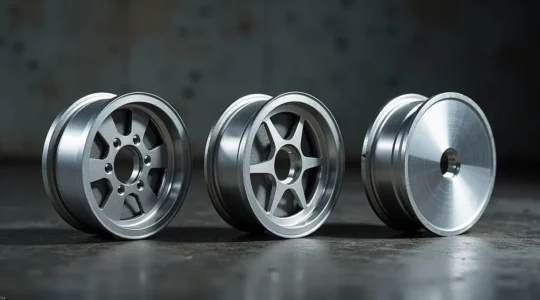
The strongest wheel isn’t just about resisting a bend; it’s about its failure mode. A forged wheel’s ductile nature means it bends under severe impact, while a cast wheel’s brittle structure can lead to catastrophic cracks. Forged wheels offer a…
Read more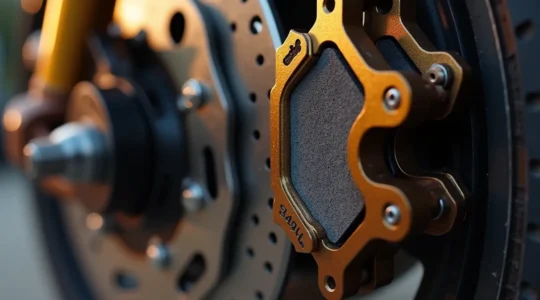
In summary: You can diagnose brake pad wear without tools by learning to interpret your bike’s sensory feedback. Key indicators include a spongy or hard lever feel, specific squeaking noises, and changes in the brake fluid reservoir. Visual inspection is…
Read more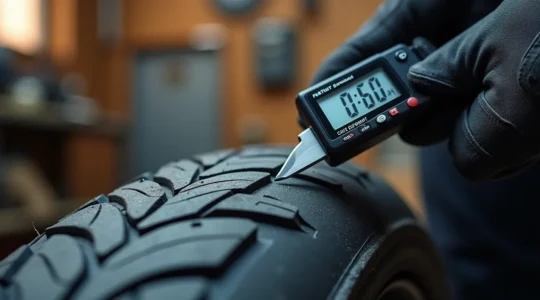
A legally compliant tire is not necessarily a safe tire; critical performance degradation occurs long before reaching the legal minimum tread depth. Tire age and environmental exposure (dry rot) are as critical to safety as tread depth. A squared-off tire…
Read more
Skipping a pre-ride check is a gamble with your safety; mastering the 5-minute T-CLOCS inspection turns that gamble into a guarantee of mechanical discipline. Most catastrophic failures are preceded by small, detectable warning signs in your motorcycle’s Tires, Controls, Lights,…
Read more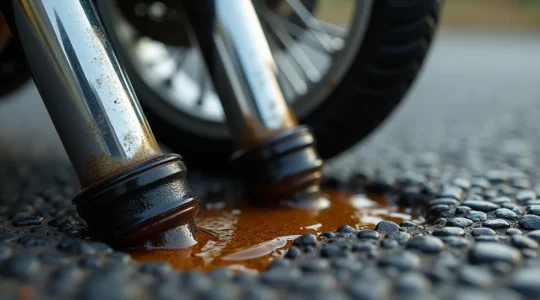
Recurring fork seal leaks are a symptom, not the core problem. The real issue is your stock suspension’s inability to manage the sudden hydraulic pressures from city potholes. High-speed damping circuits get overwhelmed, transferring raw impact forces directly to the…
Read more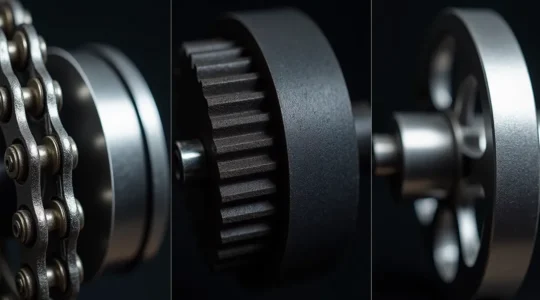
In summary: Your motorcycle’s final drive is part of an interconnected system; understanding its sounds and needs prevents major issues. Chain drives offer the highest efficiency but demand regular cleaning and lubrication (every 300-600 miles). Belt and shaft drives reduce…
Read more
The real cost of a motorcycle part isn’t the price tag; it’s the total investment in time, money, and fitment that follows. OEM parts guarantee fit and finish due to strict manufacturing standards, saving hours in labor. Aftermarket parts, especially…
Read more